Could Bird Flu Soon Spread to Humans? Indian Scientists Weigh In
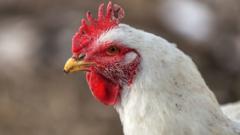
Published: 2025-12-18 01:00:32 | Category: world
The recent modelling of H5N1, better known as bird flu, highlights the potential risk of a pandemic stemming from the virus's transmission from birds to humans. With a high fatality rate of 48% in reported human cases, the research indicates that timely interventions can significantly affect the outbreak's trajectory. As the virus continues to impact both birds and humans, understanding its dynamics is crucial for public health responses.
Last updated: 11 October 2023 (BST)
What’s happening now
H5N1 has been prevalent in poultry populations across South and South-East Asia since its emergence in the late 1990s, and its recent spread to humans raises significant concerns for global health. Current cases have highlighted the risks associated with avian influenza, with the World Health Organization (WHO) reporting 990 human cases and a staggering 475 deaths globally. In the United States, the virus has infected over 180 million birds and has caused human infections, primarily among farmworkers. The recent findings from Indian researchers underscore the importance of early intervention to prevent the virus from establishing human-to-human transmission.
Key takeaways
- H5N1 has a 48% fatality rate in reported human cases, necessitating vigilant monitoring.
- Timely interventions can contain outbreaks before they escalate into pandemics.
- Primary and secondary contacts are crucial in the spread dynamics of H5N1.
Timeline: how we got here
The H5N1 virus has been a concern since its discovery in the late 1990s. Key milestones include:
- 1997: H5N1 first infects humans in Hong Kong.
- 2003: WHO begins tracking human cases and reports 990 cases by August 2025.
- 2023: Significant outbreaks in poultry and human cases reported in the US and India.
What’s new vs what’s known
New today/this week
Recent peer-reviewed modelling from Indian researchers has provided insights into how H5N1 could spread among humans, emphasising the need for early intervention to contain outbreaks. The study reveals the critical window for effective action, indicating that once cases exceed 10, containment becomes extremely difficult.
What was already established
H5N1 has been known to infect humans with a high fatality rate. Previous cases have shown the virus primarily affects those in close contact with infected birds, highlighting the importance of biosecurity measures in poultry farming.
Impact for the UK
Consumers and households
The potential for H5N1 to establish itself in human populations poses risks for UK residents. While the current threat level remains low, any increase in human cases could lead to heightened biosecurity measures affecting poultry supply chains, egg prices, and food availability.
Businesses and jobs
Poultry farmers and related businesses in the UK should remain vigilant. Any outbreak could impact operations, necessitate culling, and require stringent biosecurity measures, potentially leading to job losses in the sector.
Policy and regulation
The UK government may need to enhance surveillance and response strategies to address the risks posed by H5N1. This could involve updating guidelines for poultry handling and increasing readiness for potential outbreaks.
Numbers that matter
- 990 human cases of H5N1 reported globally, as of August 2025.
- 48% fatality rate among reported cases.
- Over 180 million birds infected in the US alone.
- Spread to 1,000 dairy herds across 18 US states.
Definitions and jargon buster
- H5N1: A subtype of the influenza virus that primarily affects birds but can infect humans.
- Primary contacts: Individuals who have had direct contact with an infected person.
- Secondary contacts: Individuals who have not met the infected person but have been in close contact with primary contacts.
How to think about the next steps
Near term (0–4 weeks)
Public health officials should focus on monitoring outbreaks in birds and humans, ensuring that rapid response plans are in place.
Medium term (1–6 months)
Authorities should consider increasing biosecurity measures in poultry farming and enhancing public awareness campaigns about H5N1.
Signals to watch
- Increases in human cases related to H5N1.
- Surveillance reports from poultry farms and markets.
- Updates from the WHO regarding H5N1 and public health recommendations.
Practical guidance
Do
- Stay informed about H5N1 developments from reliable sources.
- Follow biosecurity measures if involved in poultry handling.
Don’t
- Ignore symptoms if you have had exposure to infected birds.
- Assume that the risk is negligible; remain vigilant.
Checklist
- Monitor local poultry health advisories.
- Practice good hygiene when handling birds.
- Report any unusual bird mortality to authorities.
- Stay updated on vaccination recommendations.
Risks, caveats, and uncertainties
The modelling conducted by Indian researchers relies on a synthetic village and does not account for various real-world complexities, such as simultaneous outbreaks or behavioural changes in response to disease awareness. Moreover, the efficiency of H5N1 transmission in humans remains uncertain, as emerging research suggests variability in how flu viruses spread among individuals.
Bottom line
H5N1 presents a real but manageable risk to public health. With appropriate surveillance and timely interventions, the UK can minimise the risk of a potential outbreak. Staying informed and prepared will be essential for both public health authorities and individuals.
FAQs
What is H5N1 and why is it a concern?
H5N1 is a subtype of avian influenza that primarily affects birds but can infect humans, with a high fatality rate. Its potential to cause pandemics makes it a public health concern.
How can H5N1 spread to humans?
H5N1 can spread to humans through direct contact with infected birds or contaminated environments. Most cases occur among individuals who work closely with poultry.
What measures can be taken to prevent an H5N1 outbreak?
Preventive measures include monitoring bird populations, implementing biosecurity protocols in poultry farming, and ensuring rapid response to any human infections.