What Happened to the Spanish Woman Famous for Her Botched Fresco Restoration?
Published: 2025-12-30 04:00:26 | Category: world
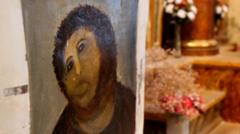
Cecilia Giménez, the Spanish parishioner who became infamous for her botched restoration of the Ecce Homo fresco, has passed away at the age of 94. Her attempt to restore the century-old painting in a church in Borja, Spain, became a global sensation, leading to the creation of the "Monkey Christ" meme. Giménez's actions inadvertently transformed her small town into a tourist hotspot, drawing thousands of visitors eager to see the now-iconic artwork.
Last updated: 29 October 2023 (BST)
What’s happening now
Cecilia Giménez's death has left a notable mark on the community of Borja, which has woven her story into its identity. Known for her ill-fated restoration of the Ecce Homo fresco, her legacy continues to influence tourism and local culture. As news of her passing spreads, many reflect on the unintended impact her actions had on the town, turning Borja into a pilgrimage site for art lovers and curious tourists alike.
Key takeaways
- Cecilia Giménez died at the age of 94, leaving behind a controversial legacy.
- Her restoration of Ecce Homo led to a global meme phenomenon.
- Giménez's actions transformed Borja into a significant tourist destination.
Timeline: how we got here
The story of Cecilia Giménez and the Ecce Homo fresco can be traced through a series of significant events:
- August 2012: Giménez attempts to restore the Ecce Homo fresco in the Sanctuary of Mercy Church, which leads to widespread media coverage.
- September 2012: The restoration goes viral, and the painting is dubbed "Monkey Christ."
- 2013: Borja sees a dramatic increase in tourism, with visitor numbers rising from 5,000 to over 40,000.
- October 2023: Cecilia Giménez passes away at 94 years old, prompting tributes from local and international communities.
What’s new vs what’s known
New today/this week
Cecilia Giménez's passing has reignited discussions about her life and the legacy of her infamous restoration. Local officials and fans of the arts have begun sharing memories and tributes, highlighting her passion for painting and her impact on Borja.
What was already established
The botched restoration, which transformed the Ecce Homo fresco into a subject of ridicule and admiration, has been a point of contention and curiosity since 2012. The artwork remains a significant draw for tourists, and the story of Giménez has become an integral part of the narrative surrounding art restoration.
Impact for the UK
Consumers and households
While the direct impact of Giménez's death on UK households may be minimal, the story serves as a reminder of the value placed on art and the sometimes unpredictable outcomes of restoration efforts. It highlights how local actions can resonate globally, shaping perceptions and tourism trends that affect consumer behaviour.
Businesses and jobs
The increase in tourism in Borja as a result of the Ecce Homo restoration has implications for businesses, particularly in the hospitality and service sectors. The influx of visitors creates opportunities for job creation and economic growth within the town and potentially inspires similar cultural tourism initiatives in the UK.
Policy and regulation
Giménez's story raises questions about art conservation policies and the standards applied to restoration practices. As governments and institutions in the UK and beyond consider art preservation, her legacy may influence future regulations regarding community involvement in restoration projects.
Numbers that matter
- 40,000: The number of tourists visiting Borja annually by 2013, a sharp increase from just 5,000 before the restoration.
- €50,000: Amount raised for charity in the wake of the Ecce Homo restoration's notoriety.
- 15,000 to 20,000: Current annual tourist numbers to Borja, demonstrating sustained interest in Giménez's story.
Definitions and jargon buster
- Ecce Homo: Latin for "Behold the Man," referring to the portrayal of Jesus Christ, specifically the fresco restored by Giménez.
- Fresco: A technique of mural painting on freshly laid wet plaster, allowing the pigments to merge with the wall as it dries.
- Botched restoration: A failed or poorly executed attempt to repair or restore an artwork, often resulting in unintended changes to its appearance.
How to think about the next steps
Near term (0–4 weeks)
In the immediate aftermath of Giménez's death, local officials and residents may organise tributes or memorials to honour her contributions to Borja and the art world. This period may also see a rise in tourism as people flock to pay their respects.
Medium term (1–6 months)
As Borja processes this loss, discussions around art restoration and the role of community members may emerge. The town could see increased interest from cultural institutions keen to explore the impact of Giménez's story on modern art conservation practices.
Signals to watch
- Increased tourism numbers to Borja, potentially leading to new initiatives in local business development.
- Emerging conversations about art restoration standards and community involvement in the UK and internationally.
- Media coverage and documentaries exploring the legacy of Cecilia Giménez and her impact on art tourism.
Practical guidance
Do
- Visit local art galleries and exhibitions to support community artists and initiatives.
- Engage in discussions about art conservation standards and practices.
- Explore the stories behind famous artworks and their restorations to understand their cultural significance.
Don’t
- Dismiss the importance of community involvement in art projects, as seen in Giménez's case.
- Neglect the lessons learned from poorly executed restorations.
- Overlook the potential economic benefits of cultural tourism.
Checklist
- Research local art initiatives and how you can contribute.
- Attend talks or workshops on art preservation.
- Follow news about major art restorations and their outcomes.
- Consider the cultural implications of community-led restoration efforts.
- Stay informed about ongoing discussions in the art world regarding standards and practices.
Risks, caveats, and uncertainties
The story of Cecilia Giménez illustrates the complexities and potential pitfalls of art restoration. While her intentions were noble, the results serve as a cautionary tale about the necessity of professional oversight in art conservation. Future discussions around community involvement in art projects should weigh the potential for both positive outcomes and unintended consequences.
Bottom line
Cecilia Giménez's legacy is a testament to the unpredictable nature of art restoration. Her passing marks the end of an era for Borja, but her story continues to inspire dialogue about the role of community in preserving cultural heritage. As the art world reflects on her impact, it serves as a reminder of the importance of balancing passion with expertise in conservation efforts.
FAQs
What happened to Cecilia Giménez?
Cecilia Giménez, the Spanish parishioner famous for her botched restoration of the Ecce Homo fresco, passed away at the age of 94, leaving behind a controversial yet impactful legacy.
Why is the Ecce Homo fresco significant?
The Ecce Homo fresco, restored by Giménez, gained notoriety for its botched restoration, which transformed it into a tourist attraction and sparked discussions on art preservation.
How did Giménez's restoration affect tourism in Borja?
Giménez's restoration led to a surge in tourism, with visitor numbers increasing from 5,000 to over 40,000 annually, highlighting the unexpected impact of her actions on the local economy.