Why Is a Welsh Brick Paved in the Caribbean?
Published: 2026-01-18 14:00:13 | Category: wales
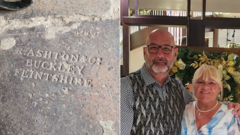
When Steve and Julie Thomas unexpectedly discovered "Buckley, Flintshire" inscribed on a pavement slab in Antigua, it highlighted the global legacy of the Welsh town's historic brick-making industry. This surprising encounter serves as a reminder of how local craftsmanship has made its mark around the world, with Buckley bricks being transported across the former British Empire for over 250 years.
Last updated: 26 October 2023 (BST)
What’s happening now
Steve and Julie Thomas's chance encounter with a piece of home in the Caribbean illustrates the extensive reach of Buckley's brick-making legacy. This discovery has sparked renewed interest in the town's historical significance and its contributions to construction across the globe. As more people learn about Buckley's past, local pride in its industrial heritage is likely to flourish, highlighting the importance of remembering and celebrating local histories in a globalised world.
Key takeaways
- The brick-making industry in Buckley, Flintshire, has a rich history spanning over 250 years.
- Bricks from Buckley were exported globally, reaching locations as far away as New York and Qatar.
- The last brickworks in Buckley closed in 2004, marking the end of an era for the local industry.
- Kevin Williams of the Buckley Society emphasises the town's bricks as "world-famous" due to their quality.
- Local pride is reignited as residents discover the global impact of their town's craftsmanship.
Timeline: how we got here
The brick-making history of Buckley can be traced back to the 1640s. The timeline of significant events includes:
- 1200s: Buckley begins developing as an industrial heartland due to advantageous geography.
- 1640s: Initial production of bricks begins in the area.
- 1737: Jonathan Catherall capitalises on the New Dee Canal, leading to increased production.
- 1815: The Industrial Revolution boosts the number of brick factories in Buckley to around 14.
- 2004: The last brickworks, Lane End, closes, signalling the decline of the industry.
What’s new vs what’s known
New today/this week
The recent discovery of Buckley bricks in Antigua has reignited interest in the town's historical significance. This serves as an opportunity for local residents to reconnect with their heritage and share their pride in a legacy that has reached around the world.
What was already established
Prior knowledge of Buckley’s brick-making history includes its prominence in the construction industry, with bricks exported globally. The quality and durability of these bricks made them a preferred choice in various climates and constructions, from the London Underground to significant structures in Australia and the Middle East.
Impact for the UK
Consumers and households
The legacy of Buckley bricks extends beyond mere historical interest; it shapes local identity and pride for residents. As people learn about the impact of their local industry on global construction, it fosters a sense of belonging and cultural heritage.
Businesses and jobs
With the closure of the last brickworks, Buckley has seen a shift away from its industrial roots. However, the town's historical significance in the industry could inspire local businesses to explore heritage tourism or educational initiatives about its brick-making past, potentially creating new jobs.
Policy and regulation
Local administrations may consider initiatives to promote and preserve Buckley's industrial heritage. This could include educational programmes, heritage trails, or partnerships with local businesses to celebrate the history of brick-making in the area.
Numbers that matter
- 250 years: The duration Buckley’s bricks were produced and exported globally.
- 20: The number of brickworks that once dotted Buckley’s skyline.
- 7 miles (11 km): The distance from Saltney, where the Thomases live, to Buckley.
- 14: The approximate number of brick factories operating in Buckley during the height of the Industrial Revolution.
- 2003: The year that marked the end of large-scale brick production in Buckley.
Definitions and jargon buster
- Brickworks: Facilities where bricks are manufactured.
- Industrial Revolution: A period of major industrialisation during the late 18th and early 19th centuries that transformed economies from agrarian to industrial.
- Heritage tourism: Travel directed toward experiencing the heritage of a location, often involving historical sites and cultural experiences.
How to think about the next steps
Near term (0–4 weeks)
Local organisations may wish to organise events or exhibitions highlighting Buckley's brick-making history, encouraging community involvement and education.
Medium term (1–6 months)
Consideration could be given to developing heritage trails or brochures that celebrate Buckley's industrial past, providing tourists and residents with accessible information about the town's contributions to global construction.
Signals to watch
- Potential announcements from local councils regarding initiatives to promote industrial heritage.
- Increased interest in local history events or educational programs focused on Buckley's legacy.
- Community engagement levels in heritage-related activities or events.
Practical guidance
Do
- Explore local history and heritage sites in Buckley to understand the town's significance.
- Engage with community groups focused on preserving local history.
- Share stories and photographs related to Buckley’s brick-making past on social media.
Don’t
- Ignore the opportunity to learn about local heritage; it enriches community identity.
- Dismiss the historical significance of seemingly mundane items, like bricks.
- Overlook the potential for heritage tourism to benefit local economies.
Checklist
- Research Buckley’s brick-making history online or at local libraries.
- Visit local museums or exhibitions related to industrial heritage.
- Attend local meetings or events about community heritage initiatives.
- Document any personal stories or family connections to Buckley’s industrial past.
- Consider volunteering with local historical societies or community projects.
Risks, caveats, and uncertainties
While the discovery of Buckley bricks abroad highlights the town's historical significance, it is important to approach any claims about the bricks' global reach cautiously. The specifics of each brick's journey can be hard to trace, and there may be instances of over-exaggeration regarding their prominence in certain areas. It's essential to rely on documented evidence and local accounts to understand the full scope of Buckley's historical impact.
Bottom line
The unexpected sighting of Buckley bricks in Antigua serves as a poignant reminder of the town's rich industrial heritage and its global influence. As residents and visitors alike reflect on this history, there is an opportunity to foster local pride and inspire future generations to appreciate their cultural legacy.
FAQs
What is the significance of Buckley bricks?
Buckley bricks are significant due to their quality and historical role in construction, being exported worldwide for over 250 years.
When did the brick-making industry in Buckley begin?
The brick-making industry in Buckley began in the 1640s, with significant growth occurring during the Industrial Revolution.
What happened to the brickworks in Buckley?
The last brickworks in Buckley closed in 2004, marking the end of a significant era in the town's industrial history.