Is Colourblind Casting a Blessing or a Warning for the BBC?

Published: 2026-01-31 10:53:57 | Category: Entertainment
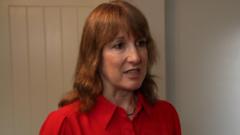
The BBC has been advised to reevaluate its approach to casting diversity, as highlighted in a significant report urging a move away from so-called 'clunky' colour-blind casting. Casting director Paushali Banik emphasises the importance of maintaining representation while ensuring it is not merely tokenistic. The report, commissioned by the BBC and authored by Anne Morrison and Chris Banatvala, raises concerns over the portrayal of race and the potential harm of insincere diversity efforts, prompting a call for more intentional and nuanced storytelling.
Last updated: 28 October 2023 (BST)
What’s happening now
The BBC is currently facing scrutiny over its casting practices following the release of a report that critiques its approach to diversity and representation. The report highlights that many viewers perceive ethnic diversity in programming as forced or performative, rather than genuine. This criticism has sparked a broader conversation about how the BBC can authentically reflect the diverse makeup of the UK while avoiding tokenism in casting. As the national broadcaster, there are significant implications for its content, which must resonate with a wide audience while remaining true to historical and cultural contexts.
Key takeaways
- The BBC is advised to move away from 'clunky' colour-blind casting practices.
- Concerns have been raised about the potential harm of tokenistic representation in media.
- More funding is needed for genuine representation and nuanced storytelling.
Timeline: how we got here
The conversation around diversity in casting and representation has evolved over several years. Key milestones include:
- March 2022: Initial discussions about representation in UK media begin to gain traction.
- February 2023: The BBC commissions a report on diversity and representation.
- October 2023: The report, led by Anne Morrison and Chris Banatvala, is published, prompting immediate response from industry professionals.
What’s new vs what’s known
New today/this week
The publication of the BBC report marks a significant moment in the ongoing discourse about representation in UK media. The report's findings indicate widespread concern about the authenticity of diversity efforts and the potential for harm through clumsy execution of inclusive practices. Paushali Banik's insights highlight the industry's need for careful consideration in casting to avoid tokenism.
What was already established
Concerns about diversity in media are not new; however, the recent report underscores the urgency for change within the BBC. Previous criticisms have focused on the representation of people of colour in historical narratives, often highlighting anachronistic casting that does not align with the historical context. The tension between creative freedom and historical accuracy has been a longstanding debate in the industry.
Impact for the UK
Consumers and households
For UK audiences, the implications of this report could lead to a shift in how stories are told on screen. Viewers may expect more nuanced portrayals that reflect the true diversity of British society. As the BBC works to address these issues, it may impact the types of programming available, with a focus on more authentic and relatable narratives.
Businesses and jobs
The report's recommendations may influence the hiring practices of casting directors and production teams across the UK. There could be a greater emphasis on hiring diverse talent, not only in front of the camera but also in writing and production roles, to create a more holistic representation of stories.
Policy and regulation
The BBC's approach could also affect policy and regulation around broadcasting standards. As the network aims to authentically reflect the lives of all communities, it may lead to new guidelines for content creation that prioritise genuine representation over tokenistic efforts. This could influence funding allocations and the way future projects are developed.
Numbers that matter
- 4,518: The number of UK adults surveyed for the BBC report.
- 100: Interviews conducted with BBC employees and industry observers.
- 1 year: The timeframe for content analysis leading up to the report's publication.
Definitions and jargon buster
- Colour-blind casting: A casting approach that disregards the ethnic or racial background of actors in order to promote diversity.
- Tokenism: The practice of making only a perfunctory or symbolic effort to be inclusive to members of marginalised groups.
- Nuanced storytelling: A narrative style that explores complex characters and themes, rather than relying on stereotypes or oversimplifications.
How to think about the next steps
Near term (0–4 weeks)
In the immediate future, audiences may see more discussions and initiatives focusing on diversity in casting within the BBC and other UK broadcasters. This could lead to increased transparency regarding casting decisions and a commitment to genuine representation.
Medium term (1–6 months)
Over the next several months, as the BBC responds to the report's findings, viewers may notice changes in programming that reflect more authentic diversity. This could involve the development of new shows that focus on underrepresented narratives and histories.
Signals to watch
- Future BBC programming announcements and casting decisions.
- Public response and engagement with new content that reflects diverse stories.
- Updates on funding and resources allocated for research and development of inclusive programming.
Practical guidance
Do
- Support media projects that prioritise authentic representation and storytelling.
- Engage with diverse narratives and share feedback with broadcasters.
- Stay informed about industry changes regarding diversity and representation.
Don’t
- Assume that colour-blind casting alone equals diversity and inclusion.
- Dismiss the importance of historical accuracy in storytelling.
- Ignore the impact of representation on marginalised communities.
Checklist
- Review the diversity of characters in your favourite shows.
- Consider how stories can be more authentically told.
- Research the background of productions before watching.
Risks, caveats, and uncertainties
While the report offers valuable insights, there are inherent risks in implementing its recommendations. The balance between creative expression and historical authenticity is delicate and could lead to backlash if not handled with care. Additionally, there is a concern that the push for diversity may be seen as a trend rather than a commitment to ongoing change, risking the future of representation in media.
Bottom line
The BBC's recent report on diversity and representation highlights the need for intentional and nuanced storytelling in UK media. As the broadcaster seeks to authentically reflect the diverse lives of its audience, it is essential that it does not revert to tokenistic practices. The future of representation in UK storytelling depends on ongoing commitment and thoughtful engagement with the complexities of history and identity.
FAQs
What is colour-blind casting?
Colour-blind casting is a practice that aims to cast actors without regard to their race or ethnicity, promoting a more diverse representation in media.
Why is tokenism a concern in casting?
Tokenism can lead to insincere representation, where diversity is superficial and does not reflect genuine stories or experiences of marginalised communities.
How can audiences support authentic representation in media?
Audiences can support authentic representation by engaging with diverse narratives, providing feedback, and advocating for inclusive practices within the industry.