Is a South African Beauty Spot Facing a Water Crisis?
Published: 2026-02-04 05:00:31 | Category: world
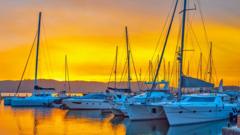
Knysna, a picturesque tourist destination in South Africa, faces an imminent water crisis, prompting officials to declare a state of disaster as fears of "day zero" loom. With severe infrastructure issues and changing weather patterns contributing to the situation, the town's water supply is at risk of running dry, affecting its 100,000 residents and the local economy, particularly tourism.
Last updated: 19 October 2023 (BST)
What’s happening now
The situation in Knysna has escalated as the local government grapples with a failing water infrastructure and a drought that has severely depleted water levels in the Akkerkloof dam. Residents are now facing strict water rationing, with limits imposed on daily usage and bans on non-essential water activities. Emergency funding from the national government has been allocated, but immediate solutions are needed to avert a complete water crisis.
Key takeaways
- Knysna declared a state of disaster due to severe water shortages.
- 55% of drinkable water is lost to leaks in the ageing infrastructure.
- Residents are limited to 50 litres of water per person per day.
- Emergency funding of $1.25 million has been provided to address the crisis.
- Tourism stakeholders are concerned about the impact of "day zero" on visitor perceptions.
Timeline: how we got here
The water crisis in Knysna has been exacerbated by years of neglect in infrastructure maintenance and changing climate conditions. Here are key events leading up to the current situation:
- 2009: Boreholes were dug but have since fallen into disrepair.
- October 2022: A local retirement centre experienced a 10-day water outage, highlighting the severity of the situation.
- January 2023: Water restrictions were implemented, including reduced pressure and limits on garden watering.
- October 2023: The state of disaster is declared as water levels in the Akkerkloof dam reach critically low levels.
What’s new vs what’s known
New today/this week
This week, the local government has begun implementing new restrictions to conserve water, including plans to repair existing boreholes and introduce desalination measures. The emergency funding from the national government aims to address immediate needs.
What was already established
It was previously known that Knysna's water infrastructure is failing, with significant losses due to leaks. The ongoing drought has been a persistent issue, contributing to the current crisis. The local government had long been aware of the need for investment in water management systems but had not acted decisively until now.
Impact for the UK
Consumers and households
The implications of Knysna's water crisis extend beyond its borders. As a popular tourist destination, any negative perceptions about water availability may deter UK tourists from visiting, potentially impacting local businesses. Additionally, UK residents can learn from Knysna's situation about the importance of sustainable water management practices.
Businesses and jobs
Local businesses, particularly in the tourism sector, face uncertainty as concerns about water availability may affect visitor numbers. This could lead to job losses and reduced economic activity in the region, further straining the community.
Policy and regulation
The South African government is now under pressure to address the water crisis effectively. Future policies will likely focus on improving infrastructure, investing in sustainable water solutions, and ensuring that communities have access to safe drinking water.
Numbers that matter
- 55% of Knysna's drinkable water is lost due to leaks.
- 20 days of water reserves remain at the Akkerkloof dam.
- 50 litres of water is the daily ration per person under current restrictions.
- £11,400 spent by a local retirement facility on a backup water supply.
- $1.25 million in emergency funding allocated to the municipality.
Definitions and jargon buster
- Day Zero: A term used to describe the point at which a community runs out of water, leading to severe restrictions or rationing.
- Borehole: A deep, narrow hole drilled into the ground to access groundwater.
- Desalination: A process of removing salt from seawater to make it drinkable.
How to think about the next steps
Near term (0–4 weeks)
In the immediate future, residents can expect continued water restrictions and efforts to repair existing infrastructure. Local authorities will likely monitor water usage closely to avoid further depletion of resources.
Medium term (1–6 months)
Over the next few months, the municipality aims to implement long-term solutions, including the establishment of new boreholes and the introduction of recycling initiatives to manage water usage more effectively.
Signals to watch
- Monitoring of water levels in the Akkerkloof dam and other local reservoirs.
- Updates on the progress of emergency funding projects and infrastructure repairs.
- Changes in local legislation or regulations regarding water usage and conservation efforts.
Practical guidance
Do
- Conserve water by using it judiciously and being aware of local restrictions.
- Stay informed about community meetings and updates from local authorities regarding water management.
- Consider investing in water-saving devices for your home.
Don’t
- Don’t ignore water restrictions; they are in place for a reason.
- Don’t rely solely on municipal water sources; consider backup options if feasible.
- Don’t hesitate to report leaks or issues with water infrastructure to authorities.
Checklist
- Have you checked for leaks in your home?
- Are you aware of your household's daily water consumption?
- Have you implemented water-saving measures?
- Do you have a plan for accessing water in case of an emergency?
- Are you following local water usage guidelines?
Risks, caveats, and uncertainties
While the current situation in Knysna is dire, uncertainties remain regarding the timeline for recovery. The effectiveness of the emergency measures and funding will determine how quickly the water crisis can be alleviated. Additionally, the broader implications of climate change and ongoing infrastructure neglect continue to pose risks to water security in the region.
Bottom line
The water crisis in Knysna serves as a stark reminder of the importance of sustainable water management. With immediate action required to prevent "day zero," local authorities must prioritise infrastructure improvements and community education. The ongoing situation calls for both local and international attention to ensure access to clean water remains a fundamental right.
FAQs
What is "day zero" and how does it affect Knysna?
"Day zero" refers to the point at which a community runs out of water, leading to severe rationing. In Knysna, water shortages are becoming critical, and the town is taking measures to prevent this from occurring.
How much water is being rationed in Knysna?
Currently, residents of Knysna are limited to 50 litres of water per person per day due to the ongoing water crisis.
What measures are being taken to resolve the water crisis?
The local government is implementing emergency repairs to infrastructure, drilling new boreholes, and exploring desalination options to secure water supply for residents.