Why Is the US Sending Another Aircraft Carrier to the Middle East?
Published: 2026-02-13 05:18:55 | Category: politics
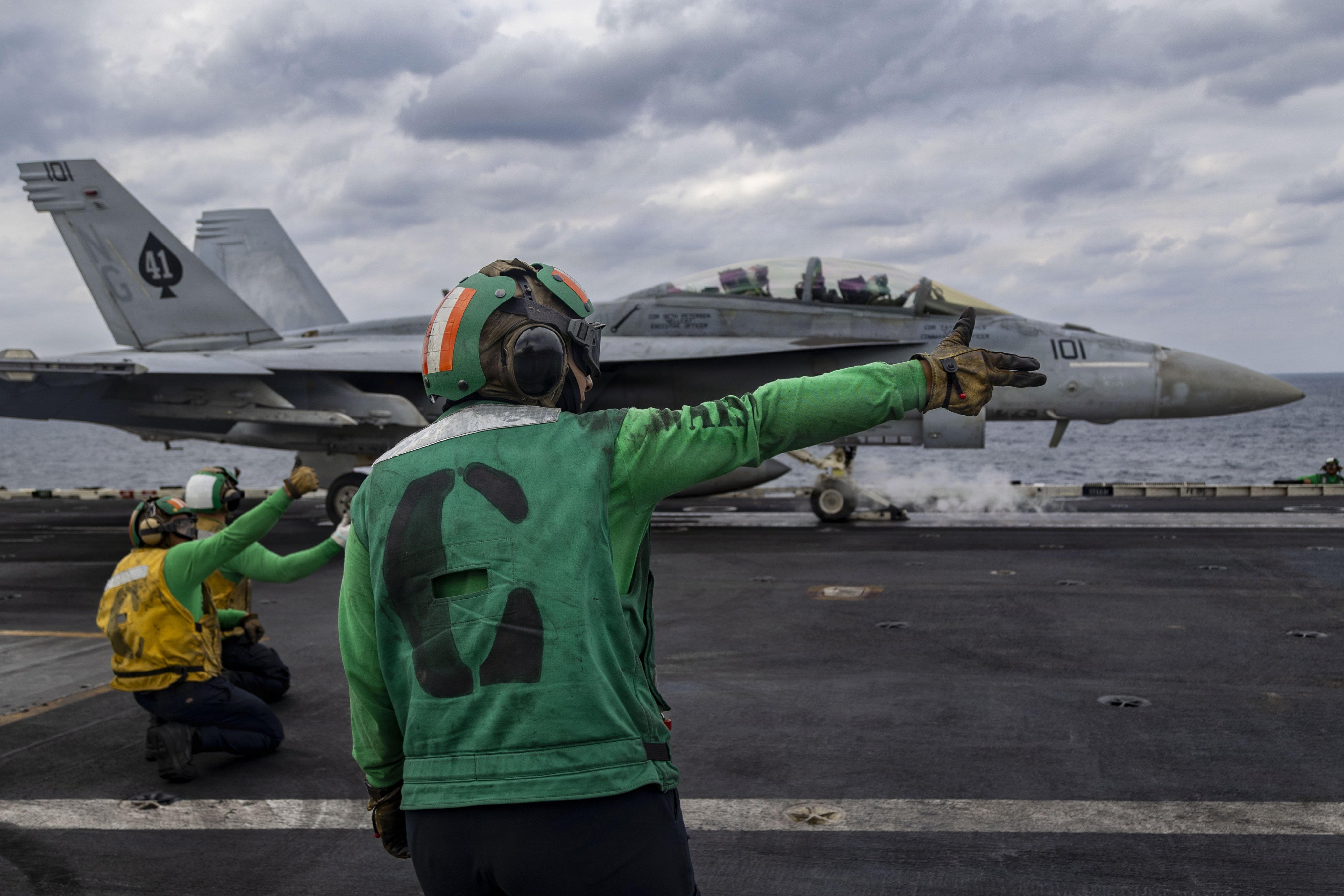
The USS Gerald R. Ford, the world’s largest aircraft carrier, has been ordered to sail from the Caribbean Sea to the Middle East amid rising tensions between the US and Iran. This military manoeuvre, driven by President Donald Trump's push for a nuclear deal with Iran, positions two aircraft carriers in the region, highlighting the US's commitment to exerting pressure on Tehran.
Last updated: 14 October 2023 (BST)
What’s happening now
The USS Gerald R. Ford is being redirected to the Middle East, adding to the existing military presence as Trump considers potential military actions against Iran. This decision follows a significant build-up of US naval forces in the region, particularly with the USS Abraham Lincoln and three guided-missile destroyers already stationed there. The urgency of this deployment reflects the escalating diplomatic tensions surrounding Iran's nuclear programme and the ongoing indirect negotiations between the US and Iran.
Key takeaways
- The USS Gerald R. Ford is being redeployed to the Middle East, joining the USS Abraham Lincoln.
- Trump's administration is increasing military pressure on Iran amid ongoing nuclear negotiations.
- The deployment highlights a shift in focus from the western hemisphere to a more immediate concern in the Middle East.
Timeline: how we got here
Here’s a brief timeline of key events leading to the USS Gerald R. Ford's current deployment:
- June 2025: The USS Gerald R. Ford sets out on deployment.
- October 2025: The carrier is redirected from the Mediterranean to the Caribbean.
- October 2025 (recent): The decision is made to send the USS Gerald R. Ford to the Middle East.
- October 2025: The USS Abraham Lincoln and guided-missile destroyers arrive in the Middle East.
What’s new vs what’s known
New today/this week
The recent decision to send the USS Gerald R. Ford to the Middle East marks a significant strategic shift in US military presence in response to increasing tensions with Iran. The carrier's deployment is part of President Trump’s strategy to apply pressure on Tehran amid ongoing negotiations related to its nuclear programme.
What was already established
Prior to this redeployment, the US had significant naval assets in the region, including the USS Abraham Lincoln, which had been stationed there for over two weeks. The focus on military presence aligns with Trump’s broader national security strategy, emphasising the need for a robust response to Iran's actions, including its ballistic missile programme and support for militant groups.
Impact for the UK
Consumers and households
As the situation escalates, UK consumers may face indirect impacts, particularly in energy prices, which could rise due to instability in the Middle East. Increased military activity can also affect global supply chains, especially for oil and gas, which are crucial to UK energy needs.
Businesses and jobs
Businesses, particularly those in sectors reliant on stable oil prices, may need to prepare for potential disruptions. The heightened military presence could signal increased volatility in international markets, affecting financial forecasts and operational planning.
Policy and regulation
The UK government may need to reassess its own defence and foreign policies in light of US actions. This could involve discussions around military cooperation, intelligence sharing, and diplomatic efforts to mitigate tensions between the US and Iran.
Numbers that matter
- 8 months: Duration of the USS Gerald R. Ford’s deployment by late October 2025.
- 2: Number of aircraft carriers currently in the Middle East.
- 3: Additional guided-missile destroyers accompanying the USS Abraham Lincoln.
Definitions and jargon buster
- Aircraft Carrier: A warship that serves as a seagoing airbase, equipped with a flight deck for launching and landing aircraft.
- Guided-Missile Destroyer: A fast naval ship designed to carry guided missiles for offensive and defensive operations.
- Nuclear Programme: A programme aimed at the development of nuclear energy or weapons, often a subject of international scrutiny and negotiation.
How to think about the next steps
Near term (0–4 weeks)
In the coming weeks, focus on developments related to US-Iran negotiations, as the deployment of additional naval forces may influence diplomatic discussions. Watch for any official statements from the US or Iranian governments regarding the status of these talks.
Medium term (1–6 months)
Beyond the immediate deployment, monitor how this increased military presence affects regional stability. Assess how the US's strategy may evolve, particularly in response to Iran's actions and international reactions.
Signals to watch
- Official announcements regarding military movements and deployments.
- Statements from US and Iranian officials about the status of nuclear negotiations.
- Market reactions to changes in oil prices and energy availability.
Practical guidance
Do
- Stay informed about developments in US-Iran relations and military deployments.
- Prepare for possible fluctuations in energy prices in the UK market.
- Engage with reliable news sources for updates on the situation.
Don’t
- Ignore the potential economic impacts of geopolitical tensions.
- Overlook the importance of understanding military and diplomatic strategies.
- Assume that military actions will not have repercussions on civilian life.
Checklist
- Review energy consumption plans in anticipation of price changes.
- Follow key news updates from credible political analysts.
- Assess personal or business readiness for potential market instability.
- Understand the implications of military presence on national security.
- Stay connected with local representatives regarding foreign policy impacts.
Risks, caveats, and uncertainties
While the deployment of the USS Gerald R. Ford signals a significant shift in US military strategy, the details surrounding its long-term implications remain uncertain. The evolving geopolitical landscape in the Middle East poses risks, including potential military escalation or diplomatic failures. Additionally, the unpredictability of Iranian responses complicates the situation further.
Bottom line
The redeployment of the USS Gerald R. Ford to the Middle East underscores the seriousness of US concerns regarding Iran's nuclear ambitions. For UK readers, the situation may lead to increased energy prices and heightened geopolitical tensions that could affect daily life. Staying informed and prepared for changes in the global landscape will be crucial.
FAQs
What is the USS Gerald R. Ford?
The USS Gerald R. Ford is the largest aircraft carrier in the world, designed to support a wide range of military operations. Its deployment to the Middle East is part of a broader strategy to apply pressure on Iran regarding its nuclear programme.
How does the deployment affect UK interests?
The deployment may lead to increased energy prices and geopolitical tensions that could impact UK consumers and businesses, particularly those reliant on stable oil supplies.
What are the implications of the US-Iran negotiations?
The US-Iran negotiations are critical in determining the future of Iran's nuclear programme. The outcome could influence regional stability and the US's military posture in the Middle East.