Did AirAsia Use an Artist's Work Without Permission?
Published: 2026-02-13 08:00:21 | Category: technology
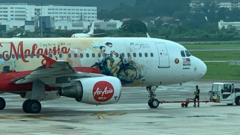
Lithuanian-born artist Ernest Zacharevic has filed a lawsuit against AirAsia and its parent company, Capital A Berhad, claiming they used his mural "Kids on Bicycle" without permission on an aircraft livery in late 2024. Zacharevic argues that this unauthorised reproduction of his artwork violates his copyright and moral rights, prompting him to seek legal redress.
Last updated: 30 October 2024 (BST)
What’s happening now
Currently, Zacharevic's lawsuit is drawing attention to the ongoing issues of copyright infringement in the art world, particularly regarding how commercial entities utilise artists' works. The artist claims that AirAsia displayed his mural on a plane without his consent, which he only discovered in October 2024. This case highlights the need for clear agreements between artists and companies when it comes to the use of creative works.
Key takeaways
- Ernest Zacharevic is suing AirAsia for unauthorised use of his artwork.
- The mural in question, "Kids on Bicycle," was created in 2012 and has become iconic in Penang.
- Zacharevic claims this infringement violates his copyright and moral rights.
Timeline: how we got here
Here’s a brief timeline of key events related to the case:
- 2012: Ernest Zacharevic paints "Kids on Bicycle" in George Town, Penang.
- 2017: Discussions occur between Zacharevic and AirAsia regarding potential collaborations.
- October 2024: Zacharevic discovers AirAsia has used his mural in an aircraft livery.
- Late October 2024: Zacharevic files a lawsuit against AirAsia and Capital A Berhad.
What’s new vs what’s known
New today/this week
The recent development is the formal filing of the lawsuit by Zacharevic against AirAsia, which has attracted media attention. The artist has publicly expressed his feelings of being offended by the airline's actions, asserting that he wishes to establish a legal precedent regarding the use of artistic works without consent.
What was already established
Prior to this lawsuit, Zacharevic had already raised concerns about AirAsia using his artwork in other contexts, including promotional materials for its food services. His ongoing negotiations with the airline since 2017 have not resulted in any formal agreements, leading to the current legal action.
Impact for the UK
Consumers and households
For UK consumers, particularly those who may travel with AirAsia, the case raises questions about the ethical implications of using artistic works in commercial aviation. The outcome may affect perceptions of the airline, impacting customer loyalty and trust.
Businesses and jobs
Businesses in the creative sector may view this case as a cautionary tale, reinforcing the importance of securing proper licensing agreements. Companies may need to reassess their practices regarding the use of artists' works to avoid similar legal challenges.
Policy and regulation
This case could lead to a broader discussion about copyright laws in Malaysia and potentially influence regulations concerning the protection of artists' rights. Increased scrutiny may prompt airlines and other businesses to establish clearer guidelines for using creative works.
Numbers that matter
- 1: Lawsuit filed by Zacharevic against AirAsia for copyright infringement.
- 200: Number of jets operated by AirAsia across more than 100 destinations.
- 12: Years Zacharevic has been based in Malaysia, contributing to local art culture.
Definitions and jargon buster
- Copyright: A legal right that grants the creator of original work exclusive rights to its use and distribution.
- Mural: A large painting or artwork applied directly to a wall or ceiling.
- Moral rights: The rights of creators to protect their personal and reputational interests in their work.
How to think about the next steps
Near term (0–4 weeks)
In the immediate future, the court will likely set a date for hearings related to the case. During this period, both parties may continue negotiations to reach a settlement.
Medium term (1–6 months)
As the case progresses, it may influence other artists and companies in the region to reassess their agreements, possibly resulting in legislative proposals regarding copyright protections for artists.
Signals to watch
- Updates on the court hearing dates.
- Any public statements from AirAsia regarding the case and its implications.
- Reactions from the artistic community in Malaysia and beyond.
Practical guidance
Do
- Artists should secure contracts and licensing agreements before allowing their work to be used commercially.
- Companies should establish clear policies for the use of creative works to avoid legal complications.
Don’t
- Do not assume that informal agreements are sufficient for the use of artistic works.
- Avoid using artists' works without proper consent, as this can lead to legal action.
Checklist
- Review copyright and moral rights before using any artwork.
- Ensure that all agreements with artists are documented and legally binding.
- Conduct regular training on copyright issues for employees involved in marketing and product design.
Risks, caveats, and uncertainties
As the case unfolds, there are several uncertainties. The outcome may hinge on the interpretation of copyright laws in Malaysia and how they apply to artistic works displayed in commercial contexts. Additionally, while Zacharevic seeks compensation, the amount awarded, if any, remains uncertain and will depend on the court's findings regarding the infringement.
Bottom line
This legal battle highlights crucial issues surrounding copyright and the rights of artists in commercial settings. As the case progresses, it may not only determine the fate of Zacharevic's claims but also set important precedents for artists and companies navigating the complexities of intellectual property rights in Malaysia and beyond.
FAQs
What is the basis of Zacharevic's lawsuit against AirAsia?
Zacharevic alleges that AirAsia used his mural "Kids on Bicycle" without consent, violating his copyright and moral rights.
How long has Zacharevic been in Malaysia?
Ernest Zacharevic has been based in Malaysia for over a decade, contributing significantly to the local art scene.
What impact could this case have on other artists?
This case may influence how artists protect their works and how businesses engage with creative content, potentially leading to more stringent copyright practices.