Is a £165 Million Rail Line Behind Ongoing Travel Chaos?
Published: 2026-02-15 02:00:24 | Category: technology
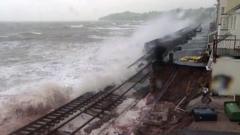
In January 2026, Storm Ingrid wreaked havoc on the rail network in the South West of England, specifically at Dawlish, where a crucial line connecting Plymouth and Cornwall faced closures due to severe weather. This incident raises significant concerns about the ongoing vulnerability of Britain’s rail infrastructure, particularly in the context of increasing climate-related disruptions. The recurring issues along this stretch of railway highlight the urgent need for comprehensive investment in transport resilience across the region.
Last updated: 23 October 2023 (BST)
What’s happening now
As Storm Ingrid hit the South West in January 2026, the rail line at Dawlish, critical for connecting Cornwall and Devon to the rest of the UK, faced closures that echoed the catastrophic events of February 2014. Despite £165 million spent on infrastructure improvements following the 2014 storms, the line remains susceptible to weather-related disruptions. Recent closures have raised alarms among commuters and local businesses, amplifying calls for a long-term solution to the vulnerabilities of the rail network.
Key takeaways
- The Dawlish rail line was closed during Storm Ingrid due to severe weather impacts.
- Historical context reveals a pattern of ongoing vulnerabilities, despite significant public investment.
- The South West’s transport infrastructure is under scrutiny for its resilience and reliability.
Timeline: how we got here
The saga of the Dawlish rail line has unfolded over many years, with significant events including:
- February 2014: Severe storms lead to major infrastructure failures, resulting in an eight-week closure.
- 2014-2024: £165 million invested in a five-phase project to enhance the line’s resilience.
- Summer 2025: The fifth phase of improvements is paused due to projected costs exceeding initial estimates.
- 23 January 2026: Storm Ingrid prompts precautionary closures of the rail line.
What’s new vs what’s known
New today/this week
The recent closures during Storm Ingrid have highlighted the inadequacies in the current rail infrastructure. Preliminary assessments indicated that while the newer sea wall performed as intended, additional vulnerabilities remain due to aging structures and unaddressed risk factors, particularly around the cliffs near Teignmouth.
What was already established
Since the catastrophic events of 2014, significant public funds have been allocated to improve the railway infrastructure. However, ongoing concerns persist regarding the effectiveness of these measures, particularly in light of the recent closures and the stalled development of the final phase of the coastal protection project.
Impact for the UK
Consumers and households
The rail disruptions have immediate effects on local residents, particularly those who rely on the rail network for commuting to work or education. Prolonged closures can lead to increased travel times, reduced access to essential services, and heightened anxiety about future reliability.
Businesses and jobs
Local businesses face significant uncertainty due to the unpredictability of rail travel. The 2014 closure reportedly cost the South West economy around £1.2 billion, and similar disruptions could deter tourism and impact local commerce, particularly during peak travel seasons.
Policy and regulation
Government response has included partnerships between the Department for Transport (DfT) and Network Rail to address the vulnerabilities of the rail network. However, the delayed implementation of crucial infrastructure upgrades has raised questions about the prioritisation of the South West in national transport planning.
Numbers that matter
- £165 million: Total public investment in the Dawlish rail line improvements since 2014.
- £1.2 billion: Estimated economic cost of the 2014 rail closure to the South West region.
- 14 million: Estimated annual day trips to Cornwall, highlighting the importance of reliable transport.
- 4 million: Annual overnight stays in Cornwall, emphasising tourism’s reliance on rail access.
Definitions and jargon buster
- DfT: Department for Transport, the UK government department responsible for transport policy.
- Network Rail: The owner and operator of most of the railway infrastructure in Great Britain.
- Phase five works: The final stage of infrastructure improvements aimed at addressing vulnerabilities along the Dawlish line.
How to think about the next steps
Near term (0–4 weeks)
In the immediate future, monitoring weather conditions and maintaining communication with rail operators will be crucial for commuters. Authorities must ensure timely updates regarding service interruptions and potential mitigations.
Medium term (1–6 months)
Strategic planning for infrastructure upgrades will need to resume, with stakeholders advocating for the resumption of the paused phase five works to mitigate future risks effectively. Engaging with local and national government for sustained investment will be vital.
Signals to watch
- Updates from the DfT on infrastructure plans and funding allocations.
- Weather forecasts predicting severe conditions that could impact rail services.
- Local and regional economic indicators that reflect the impact of transport disruptions.
Practical guidance
Do
- Stay informed about service updates via official rail channels.
- Plan for alternative travel routes and modes of transport during adverse weather.
- Engage in community discussions about transport infrastructure needs.
Don’t
- Assume that services will remain uninterrupted during storms.
- Neglect to consider the potential economic impacts of transport disruptions.
- Ignore local advocacy efforts aimed at improving transport reliability.
Checklist
- Check train schedules regularly, especially before storms.
- Have a backup plan for travel, including road and air options.
- Stay engaged with local transport initiatives and community forums.
- Monitor local news for updates on infrastructure investments.
Risks, caveats, and uncertainties
The ongoing risks associated with the Dawlish rail line underscore the need for a comprehensive approach to infrastructure resilience. Disputed funding allocations, project delays, and the potential for further severe weather events exacerbate uncertainties concerning the reliability of this critical transport link. Stakeholders must navigate these complexities to ensure that the region's transport needs are met.
Bottom line
The recent disruption caused by Storm Ingrid highlights the fragility of the rail network in the South West of England. As concerns about the resilience of the Dawlish line grow, it is clear that sustained investment and strategic planning are essential to secure reliable transport for both residents and visitors. The need for a robust infrastructure plan is more pressing than ever.
FAQs
What impact did Storm Ingrid have on the rail network?
Storm Ingrid caused significant rail closures at Dawlish, disrupting services and highlighting the vulnerabilities of the rail infrastructure despite previous investments.
How much has been spent on improving the Dawlish rail line since 2014?
Since 2014, £165 million has been invested in improvements aimed at enhancing the resilience of the Dawlish rail line against severe weather.
What are the future plans for the Dawlish rail line?
Future plans include resuming the paused phase five works to address vulnerabilities along the rail line, ensuring improved reliability against weather-related disruptions.