How Did Photography Shape the British Empire's View of India?
Published: 2026-02-21 03:00:39 | Category: world
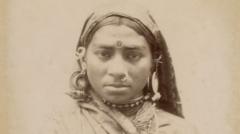
The exhibition "Typecasting: Photographing the Peoples of India, 1855-1920" sheds light on how photography became a key tool for the British Empire to understand and classify Indian society. Featuring nearly 200 rare photographs, the exhibition illustrates the complex social hierarchies and identities within India during a transformative period. Curated by Sudeshna Guha, the exhibition highlights the pivotal role of photography in shaping perceptions of diverse communities, from elites to marginalised groups.
Last updated: 20 October 2023 (BST)
What’s happening now
The exhibition, hosted by DAG in Delhi, is garnering significant attention as it showcases the historical impact of photography on India's cultural and social landscape. By presenting photographs from a time when the British colonial government sought to categorise the Indian populace, the exhibition invites audiences to reflect on the legacies of colonialism and the role of visual culture in shaping societal norms. The exhibition serves as both a historical record and a critique of the ethnographic practices employed during this period.
Key takeaways
- The exhibition features nearly 200 photographs documenting diverse Indian communities.
- It examines the influence of photography on colonial classifications of identity.
- Key photographers include Samuel Bourne and Lala Deen Dayal, whose works defined the visual narrative of the time.
Timeline: how we got here
The exhibition encapsulates a period from 1855 to 1920, showcasing nearly 65 years of photographic history. Key milestones include:
- 1868-1875: Publication of "The People of India", an influential photographic survey highlighting the diversity of Indian communities.
- 1855: The emergence of photography as a prominent medium in documenting Indian society.
- 1920: The end of the period focused on in the exhibition, marking a significant era in ethnographic photography.
What’s new vs what’s known
New today/this week
The exhibition presents a unique collection that has not been previously showcased in its entirety in India. It provides fresh insights into how the British used photography to create a visual taxonomy of Indian society, which has lasting implications for understanding colonial narratives.
What was already established
It is well-documented that photography during the colonial period was used to classify and control populations. Previous studies have explored the role of individual photographers and their contributions to the genre of ethnographic photography, but this exhibition brings together an extensive array of works that were previously fragmented.
Impact for the UK
Consumers and households
For UK audiences, the exhibition fosters a deeper understanding of historical narratives surrounding colonialism and its visual representations. It encourages critical engagement with how these images have shaped perceptions of India and its people, which remains relevant in contemporary discussions about race, identity, and representation.
Businesses and jobs
The art and cultural sectors in the UK may find new avenues for collaboration and exploration of colonial histories through exhibitions like this. Additionally, it highlights the importance of ethical practices in photography and cultural documentation, which can influence contemporary artists and photographers.
Policy and regulation
There may be implications for cultural policy in the UK regarding the preservation and representation of colonial histories. Exhibitions that critically engage with the past can inform discussions about cultural funding and support for projects that encourage diverse representations and narratives.
Numbers that matter
- 200: Number of rare photographs featured in the exhibition.
- 65: Years spanned by the exhibition, from 1855 to 1920.
- 8: Volumes in "The People of India" photographic survey, which forms the core of the exhibition.
Definitions and jargon buster
- Ethnographic Photography: A genre of photography aimed at documenting cultures and societies, often with a focus on the social structures and customs of different communities.
- Albumen Print: A photographic printing process that uses egg white to bind the photographic chemicals to the paper, popular in the 19th century.
- Silver-Gelatin Print: A photographic print made using silver salts and gelatin, widely used from the late 19th century onwards.
How to think about the next steps
Near term (0–4 weeks)
Visit the exhibition to gain firsthand insights into the historical context of photography in India. Engage with the narratives presented and consider the implications of these images on contemporary understandings of identity.
Medium term (1–6 months)
Participate in forums and discussions that critically examine the impact of colonial narratives in visual culture. Consider how such historical perspectives can influence modern artistic practices and cultural policies in the UK.
Signals to watch
- Changes in cultural policy regarding the representation of colonial histories in art and photography.
- Emergence of new exhibitions or publications that explore similar themes of identity and representation.
Practical guidance
Do
- Visit the exhibition and engage with the material presented.
- Read about the photographers featured to understand their influences and methodologies.
- Join discussions surrounding the ethical implications of historical photographic practices.
Don’t
- Assume that the images represent a complete picture of Indian society; approach with a critical eye.
- Ignore the historical context in which these photographs were taken; understanding this is essential.
Checklist
- Have you booked your tickets to the exhibition?
- Are you familiar with key photographers and their contributions?
- Have you considered how the exhibition’s themes relate to contemporary issues?
- Do you plan to engage with local discussions about colonial history?
Risks, caveats, and uncertainties
While the exhibition aims to present a comprehensive view of photography in colonial India, the interpretation of these photographs can vary widely. The historical context is complex, and the narratives constructed through these images may oversimplify or misrepresent the lived realities of communities depicted. Viewers should approach the material with an understanding of these nuances and remain critical of the representations presented.
Bottom line
The "Typecasting" exhibition not only documents a pivotal era in the history of photography but also invites reflection on the ongoing legacies of colonialism in understanding cultural identities. Engaging with this material is crucial for fostering informed discussions on race, representation, and the power of visual culture in shaping societal narratives.
FAQs
What is the focus of the exhibition "Typecasting: Photographing the Peoples of India, 1855-1920"?
The exhibition focuses on the role of photography in classifying and understanding Indian society during the 19th and early 20th centuries, featuring nearly 200 rare photographs.
Who are some of the key photographers featured in the exhibition?
Notable photographers include Samuel Bourne, Lala Deen Dayal, and John Burke, whose works significantly influenced the visual representation of Indian communities.
Why is this exhibition important for contemporary audiences?
The exhibition encourages critical engagement with historical narratives surrounding colonialism and highlights the impact of photography on shaping perceptions of identity in India.