How Did the Lari Perform Against the Euro and Dollar This Week?
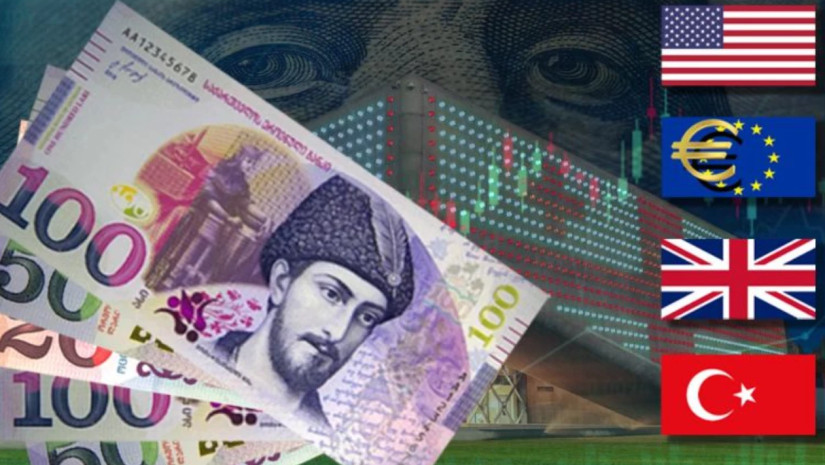
Published: 2026-02-21 11:00:00 | Category: sports
This week, the Georgian Lari has strengthened against both the US Dollar and the Euro, with notable gains of 0.39 Tetri against the Dollar and 3.22 Tetri against the Euro. This article explores the recent trends in currency exchange rates, providing insights into the factors influencing these movements and what they mean for consumers and businesses in Georgia.
Last updated: 22 February 2024 (BST)
What’s happening now
The Georgian Lari has shown a solid performance this week, appreciating against both the Dollar and the Euro. As of 20 February 2024, the exchange rate for one US Dollar was set at 2.6760 Lari, reflecting a gain of 0.09 Tetri from the previous day. In comparison, the Lari appreciated against the Euro by 0.86 Tetri, with the exchange rate reaching 3.1480 Lari for one Euro. This trend indicates a strengthening of the national currency, which could have various implications for the economy and everyday transactions in Georgia.
Key takeaways
- The Lari has appreciated 0.39 Tetri against the Dollar this week.
- Against the Euro, the Lari's strengthening was more pronounced, with a 3.22 Tetri gain.
- In total, the Lari strengthened by 0.15% against the Dollar and 1.01% against the Euro.
Timeline: how we got here
Understanding the recent fluctuations in the exchange rates of the Lari can be contextualised through a brief timeline of key events and rates:
- 20 February 2024: 1 USD = 2.6760 Lari, 1 EUR = 3.1480 Lari.
- 19 February 2024: 1 USD = 2.6769 Lari, 1 EUR = 3.1566 Lari.
- 18 February 2024: 1 USD = 2.6778 Lari, 1 EUR = 3.1692 Lari.
- 17 February 2024: 1 USD = 2.6789 Lari, 1 EUR = 3.1724 Lari.
- 16 February 2024: 1 USD = 2.6799 Lari, 1 EUR = 3.1802 Lari.
What’s new vs what’s known
New today/this week
The latest figures show a clear trend of appreciation for the Lari against both major currencies, with the most significant movement observed against the Euro. This week's performance indicates a stronger recovery for the Lari, suggesting improved market confidence and possibly stabilising economic conditions.
What was already established
In the previous weeks, the Lari had shown variability, with fluctuations against the Dollar and Euro. Notably, the weeks of 9-15 February and 2-8 February also saw appreciation of the Lari, although the gains were less pronounced compared to this week's performance.
Impact for the UK
Consumers and households
For UK consumers and businesses engaged in trade with Georgia, the strengthening Lari may result in more favourable exchange rates for purchasing Georgian goods and services. However, for Georgian imports to the UK, the appreciation could lead to slightly higher costs, depending on the extent of currency fluctuations.
Businesses and jobs
The improved valuation of the Lari can enhance the purchasing power of Georgian businesses when sourcing foreign materials or products. This could lead to potential cost savings or improved profit margins for companies dealing with international suppliers.
Policy and regulation
As the Lari strengthens, policymakers in Georgia may reassess monetary policies to maintain economic stability. Future consultations or adjustments may focus on managing inflation and ensuring sustainable growth as currency values fluctuate.
Numbers that matter
- 0.39 Tetri: Lari's appreciation against the Dollar this week.
- 3.22 Tetri: Lari's gain against the Euro.
- 0.15%: Overall percentage increase of the Lari against the Dollar.
- 1.01%: Overall percentage increase of the Lari against the Euro.
- 2.6760 Lari: Current exchange rate for one US Dollar.
- 3.1480 Lari: Current exchange rate for one Euro.
Definitions and jargon buster
- Tetri: The subunit of the Georgian Lari, where 100 Tetri equals 1 Lari.
- Exchange Rate: The value of one currency for the purpose of conversion to another.
- Monetary Policy: The process by which the central bank controls the supply of money, often targeting inflation or interest rates to ensure price stability and general trust in the currency.
How to think about the next steps
Near term (0–4 weeks)
In the coming weeks, observers should monitor the exchange rates for any signs of volatility as economic indicators are released. Any significant news regarding Georgia's economic performance or global market trends could influence the Lari's value.
Medium term (1–6 months)
Over the next few months, the potential for further appreciation or depreciation of the Lari will depend on national economic policies, international market conditions, and regional geopolitical developments. Stakeholders should remain vigilant regarding these factors.
Signals to watch
- Monthly inflation rates in Georgia.
- Changes in the Central Bank of Georgia's monetary policy.
- Economic growth indicators or GDP reports.
- Global commodity price fluctuations affecting trade.
Practical guidance
Do
- Keep track of exchange rates if purchasing goods from Georgia.
- Monitor economic news related to Georgia for informed decisions.
- Consider hedging strategies if dealing with substantial currency exchanges.
Don’t
- Ignore fluctuations in currency rates when budgeting for international transactions.
- Make hasty decisions based solely on short-term currency movements.
- Underestimate the potential impact of geopolitical events on currency values.
Checklist
- Check the latest exchange rates before making transactions.
- Review economic forecasts for Georgia’s financial stability.
- Assess your exposure to currency risk if involved in international trade.
- Stay informed about global economic trends that could affect the Lari.
- Consult with a financial adviser for strategies on managing currency risk.
Risks, caveats, and uncertainties
While the recent strengthening of the Lari is notable, there are inherent risks in currency exchange. Market conditions can change rapidly, influenced by both domestic and international factors. Additionally, the ongoing geopolitical situation in the region may introduce unexpected volatility. Stakeholders should remain cautious and prepared for potential fluctuations in the coming weeks.
Bottom line
The recent performance of the Georgian Lari indicates a positive trend, with appreciations against both the Dollar and Euro. This could provide opportunities for consumers and businesses alike, but caution is advised as external factors may continue to influence the currency's future stability. Understanding these dynamics will be crucial as Georgia navigates its economic landscape amidst global challenges.
FAQs
What does it mean for the Lari to strengthen against the Dollar?
A strengthening Lari against the Dollar indicates that it takes fewer Lari to purchase one Dollar, which can benefit consumers when importing goods.
How does the Lari's performance impact Georgian businesses?
As the Lari strengthens, it can lead to lower costs for businesses importing goods, potentially increasing profit margins and competitiveness.
What factors influence currency exchange rates?
Currency exchange rates are influenced by various factors including economic indicators, interest rates, inflation, and geopolitical events.