Will Giant Tortoises Make a Comeback in the Galápagos After 200 Years?
Published: 2026-02-21 19:00:24 | Category: world
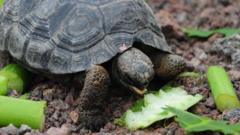
The recent release of 158 captive-bred giant tortoises onto Floreana Island marks a monumental achievement in conservation efforts, as these tortoises roam the island for the first time in over 180 years. This initiative, part of the Floreana Ecological Restoration Project, aims to restore the native species, Chelonoidis niger niger, which was driven to extinction in the 1840s due to human activities. The reintroduction not only represents a significant milestone for the Galápagos Islands but also serves as a beacon of hope for global conservation efforts.
Last updated: 29 October 2023 (BST)
What’s happening now
The release of the giant tortoises into Floreana Island signifies a significant advancement in conservation efforts and ecosystem restoration in the Galápagos. This initiative, led by the Galápagos National Park Directorate and supported by the Galápagos Conservation Trust (GCT), aims to revive the island's biodiversity and restore its natural heritage. The tortoises, which are considered "ecosystem engineers," play a crucial role in shaping their environment, and their presence is expected to positively impact the ecosystem.
Key takeaways
- The release of 158 captive-bred giant tortoises marks their return to Floreana Island after 180 years.
- This initiative is part of the Floreana Ecological Restoration Project, which aims to revive the island's native species.
- Captive breeding was made possible by discovering hybrid tortoises on Isabela Island with ancestry linked to the extinct Floreana species.
Timeline: how we got here
Understanding the context of the giant tortoise reintroduction requires a look at the timeline of events leading to this milestone:
- 1840s: The native Floreana giant tortoise was driven to extinction due to human exploitation.
- 2008: Scientists discovered tortoises on Wolf Volcano, Isabela Island, carrying genetic links to the extinct Floreana tortoise.
- 2017: A back-breeding programme began to strengthen the population of tortoises with Floreana ancestry.
- 2025: More than 600 hatchlings have been produced, with a significant number now ready for release into the wild.
What’s new vs what’s known
New today/this week
The recent release of the tortoises is the first time they have roamed Floreana Island in over a century and a half. This event has been hailed as a "hugely significant milestone" by conservationists, highlighting the successful culmination of years of effort and collaboration.
What was already established
Prior to this release, the back-breeding programme had already established a viable population of juvenile tortoises on Santa Cruz Island, with genetic ties to Floreana. The groundwork laid by researchers, including the identification of hybrid tortoises, set the stage for the current conservation success.
Impact for the UK
Consumers and households
While the direct impact on UK consumers may not be immediate, the success of this conservation effort can inspire similar initiatives globally, potentially leading to increased awareness and support for biodiversity efforts at home. The Galápagos Islands are a UNESCO World Heritage site; their preservation can influence tourism and educational opportunities regarding conservation in the UK.
Businesses and jobs
Tourism related to the Galápagos Islands is expected to receive a boost from this successful restoration project. Businesses that cater to tourists interested in wildlife and conservation could see increased interest in their services, potentially leading to job creation in the sector.
Policy and regulation
This significant milestone may prompt discussions around conservation policies in the UK, encouraging support for ecosystem restoration projects. It could lead to increased funding for similar initiatives, both domestically and internationally, as well as greater collaboration between conservation organisations and governments.
Numbers that matter
- 158: The number of giant tortoises released into Floreana Island.
- 600: The total number of hatchlings produced by the breeding programme by 2025.
- 180+ years: Duration since the giant tortoises last roamed Floreana Island.
Definitions and jargon buster
- Giant tortoise: A large tortoise species native to the Galápagos Islands, known for their size and long lifespan.
- Floreana: One of the islands in the Galápagos archipelago, once home to the native giant tortoise species, Chelonoidis niger niger.
- Ecosystem engineers: Species that significantly modify their environment, affecting the structure and dynamics of the ecosystem.
How to think about the next steps
Near term (0–4 weeks)
In the immediate future, monitoring the released tortoises will be crucial to ensure their adaptation to the wild environment. Conservationists will closely observe their behaviour, survival rates, and interactions with the restored ecosystem.
Medium term (1–6 months)
As the tortoises acclimatise, further assessments will determine the effectiveness of this restoration effort. Plans may be established for subsequent releases or additional breeding programmes aimed at bolstering the population further.
Signals to watch
- Reports on the health and survival of the released tortoises.
- Updates on the ecological impact of their presence on Floreana Island.
- Future announcements regarding further releases or additional conservation projects in the Galápagos.
Practical guidance
Do
- Support conservation efforts by donating to relevant organisations.
- Stay informed about biodiversity initiatives and how they impact global ecosystems.
- Encourage discussions about conservation policies within your community.
Don’t
- Don’t overlook the importance of restoring ecosystems and the role of native species.
- Don’t assume that conservation efforts are only for exotic locations; local wildlife also needs protection.
- Don’t hesitate to engage in community efforts aimed at promoting biodiversity.
Checklist
- Research local conservation organisations and their missions.
- Participate in community clean-up events to support local ecosystems.
- Advocate for policies that protect natural habitats and species.
- Educate yourself and others about the importance of biodiversity.
Risks, caveats, and uncertainties
While the release of giant tortoises is a significant achievement, challenges remain. The success of this reintroduction relies on various factors, including environmental conditions, potential threats from invasive species, and the adaptability of the tortoises. Continuous monitoring will be essential to address these uncertainties and determine the long-term sustainability of the population.
Bottom line
The reintroduction of giant tortoises to Floreana Island represents a crucial step in conservation efforts, not just for the Galápagos Islands but for global biodiversity. As these tortoises establish themselves in their native habitat, the hope is that this project will inspire further restoration initiatives worldwide, promoting a deeper commitment to preserving our planet's ecosystems.
FAQs
Why are giant tortoises important for the ecosystem?
Giant tortoises are considered "ecosystem engineers" because their activities shape the landscape and help restore degraded ecosystems, which can benefit other species and overall biodiversity.
How long have giant tortoises been absent from Floreana Island?
The giant tortoises have not roamed Floreana Island for over 180 years, having been driven to extinction in the 1840s.
What is the Floreana Ecological Restoration Project?
The Floreana Ecological Restoration Project is an initiative aimed at reviving the island's native species and ecosystems, which includes the reintroduction of giant tortoises to their original habitat.