Can Earth's Heat Power 10,000 Homes in a UK Renewable Energy Breakthrough?
Published: 2026-02-26 06:00:17 | Category: technology
The UK's first geothermal power plant is set to launch, harnessing underground hot water to generate renewable electricity for around 10,000 homes. This pioneering facility represents a significant milestone in geothermal energy development in the UK, showcasing the potential for continuous and stable green power while also providing the first domestic supply of lithium, a crucial mineral for green technology.
Last updated: 12 October 2023 (BST)
What’s happening now
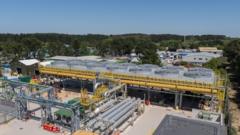
On Thursday morning, the geothermal power plant in Cornwall will officially begin operations after nearly two decades of development. Geothermal Engineering Ltd (GEL) has successfully drilled the UK's deepest onshore well, tapping into super-heated water from beneath the Earth's surface. This innovative project is expected to provide a sustainable energy source while also extracting lithium carbonate, marking a new era for renewable energy in the UK.
Key takeaways
- The UK’s first geothermal power plant will provide electricity for 10,000 homes.
- The project includes the extraction of lithium, essential for green technologies.
- High drilling costs and regulatory hurdles could limit future geothermal projects.
Timeline: how we got here
Here’s a brief timeline highlighting key milestones in the development of the UK’s geothermal power initiative:
- 2006: Initial discussions and groundwork for geothermal energy exploration begin.
- 2013: Drilling starts at the United Downs site in Cornwall.
- 2023: The plant is set to go live, representing a culmination of nearly 20 years of effort.
What’s new vs what’s known
New today/this week
The geothermal power plant is officially operational, marking a historic first for the UK. The plant is not only generating electricity but also paving the way for domestic lithium extraction, thus diversifying the renewable energy landscape.
What was already established
Geothermal energy has been explored in the UK for many years, primarily in the form of ground source heat pumps. However, deep geothermal projects like the one in Cornwall are rare due to high costs and technical challenges.
Impact for the UK
Consumers and households
The geothermal plant is expected to provide a stable energy supply, which is crucial amidst fluctuating gas prices. The continuous nature of geothermal energy means households can expect reliable electricity, reducing dependency on more volatile energy sources.
Businesses and jobs
This project could stimulate job creation in the renewable energy sector, particularly in the fields of engineering and environmental science. Furthermore, as GEL plans to expand to additional sites, the potential for economic growth in geothermal energy could be significant.
Policy and regulation
The UK government has taken steps to support the geothermal sector, appointing Lord Whitehead as the first geothermal minister. However, the need for a robust policy framework remains critical to attract investment and encourage further development in this area.
Numbers that matter
- £50 million: Total cost of the geothermal project to date.
- 10,000: Number of homes that will receive electricity from the facility.
- 100 tonnes: Initial annual lithium production capacity, enough for batteries in 1,400 electric vehicles (EVs).
- 18,000 tonnes: Long-term goal for annual lithium production.
- 30,000: Ground source heat pumps currently installed in UK homes.
Definitions and jargon buster
- Geothermal Energy: Energy harnessed from the heat stored beneath the Earth's surface.
- Deep Geothermal: The process of extracting heat from deep underground to generate electricity.
- Lithium Carbonate: A key mineral used in the production of batteries, particularly for electric vehicles and renewable energy storage.
How to think about the next steps
Near term (0–4 weeks)
As the geothermal plant begins operations, monitoring its output and reliability will be essential. Stakeholders will be keen to assess the initial performance metrics and respond to any operational challenges.
Medium term (1–6 months)
Efforts to expand geothermal energy projects in the UK will likely gain momentum, especially with increasing government interest. Potential sites for future plants may be evaluated, particularly in Scotland and the Northeast of England.
Signals to watch
- Updates on electricity generation rates from the geothermal plant.
- Progress on GEL’s plans for additional geothermal sites.
- Government announcements regarding policy frameworks and funding for geothermal energy.
Practical guidance
Do
- Stay informed about the developments in geothermal energy in the UK.
- Consider the potential for reduced energy costs through stable, renewable sources.
- Explore local government initiatives supporting renewable energy projects.
Don’t
- Ignore the importance of government policy in shaping the future of geothermal energy.
- Underestimate the potential for geothermal energy to supplement the UK’s energy mix.
- Assume that costs will remain high; advancements in technology may reduce them over time.
Checklist
- Assess local energy needs and potential benefits from geothermal projects.
- Monitor government funding opportunities for renewable energy initiatives.
- Engage with community discussions on renewable energy solutions.
- Research the environmental impacts of geothermal energy in your area.
- Keep track of advancements in geothermal technology and investment trends.
Risks, caveats, and uncertainties
While the launch of the geothermal power plant in Cornwall represents a significant achievement, several uncertainties remain. High upfront costs and regulatory hurdles could hinder the replication of similar projects across the UK. Additionally, the environmental impact of drilling and mineral extraction requires careful consideration and ongoing assessment. Future investment will depend heavily on government policy and public acceptance of geothermal energy as a mainstream solution.
Bottom line
The operational launch of the UK's first geothermal power plant marks a pivotal moment for renewable energy in the country. It not only provides a stable energy source for households but also sets a precedent for future geothermal projects. With appropriate investment and supportive policies, the UK could significantly enhance its renewable energy capacity and reduce reliance on volatile fossil fuels.
FAQs
What is geothermal energy?
Geothermal energy is the heat stored beneath the Earth's surface, which can be harnessed for renewable electricity generation and heating purposes.
How does the geothermal power plant work?
The plant uses super-heated water from deep underground to drive turbines, generating electricity while also extracting lithium for battery production.
Why is lithium extraction important?
Lithium is crucial for the production of electric vehicle batteries and other green technologies, making it an essential mineral in the transition to renewable energy.