Is Iran's Struggling Economy Making Families Poorer?
Published: 2026-02-26 12:00:32 | Category: world
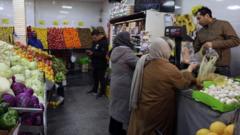
The economic situation in Iran has deteriorated significantly, with soaring inflation and a plummeting currency causing immense hardships for everyday citizens. Citizens like Marjan, who relied on Instagram sales for income, now struggle to make ends meet. Rising prices have forced many families to abandon luxuries and rethink their daily spending habits. As protests against the government's economic policies continue, the Iranian population faces a grim future, with basic necessities becoming increasingly unaffordable.
Last updated: 20 October 2023 (BST)
What’s happening now
Iran is currently grappling with a severe economic crisis characterised by hyperinflation, widespread poverty, and civil unrest. The Iranian rial has lost more than 95% of its value against the US dollar since 2018, leading to a dramatic increase in the prices of essential goods. The situation has been exacerbated by government crackdowns on protests, which arose in response to the rising cost of living. Many Iranians, like Marjan and Mina, report that basic necessities have become unaffordable, forcing them to make difficult choices about spending and lifestyle.
Key takeaways
- High inflation has resulted in the cost of basic necessities rising by an average of 60% in the past year.
- The value of the rial has plummeted, making imported goods prohibitively expensive.
- Protests against the government's economic policies have intensified amid worsening living conditions.
Timeline: how we got here
The economic crisis in Iran has deep roots, but recent events have intensified the situation significantly:
- 2018: The US withdraws from the nuclear deal, leading to reimposed sanctions on Iran and a sharp decline in the rial's value.
- 2022: Protests erupt in response to rising living costs and government mismanagement, resulting in severe crackdowns by security forces.
- June 2023: Tensions escalate following a brief conflict with Israel, further destabilising the Iranian economy.
- October 2023: Reports indicate that inflation continues to rise, with many families struggling to afford basic food items.
What’s new vs what’s known
New today/this week
Recent reports indicate that inflation rates have surged, with food prices more than doubling in some cases. Citizens are increasingly discussing the disappearance of red meat from their diets due to skyrocketing costs. The economic outlook remains grim, with many families unable to maintain their previous standards of living.
What was already established
For several years, the Iranian economy has been under immense pressure due to heavy sanctions and poor governmental policies. The average Iranian household has seen a substantial decrease in purchasing power, and the situation has continued to deteriorate as inflation persists at alarming rates.
Impact for the UK
Consumers and households
The crisis in Iran highlights the fragile nature of economies dependent on external relations and sanctions. For UK consumers, it underscores the interconnectedness of global economies and how political decisions can have far-reaching effects on local markets and prices.
Businesses and jobs
UK businesses may find themselves affected by the instability in Iran, especially those with interests in the Middle East. The economic turmoil can disrupt supply chains, affect trade agreements, and create a climate of uncertainty that deters investment.
Policy and regulation
The UK government may need to consider its stance on Iran and the implications of its policies towards the region, especially in light of human rights concerns and the impact of sanctions on ordinary citizens.
Numbers that matter
- The Iranian rial has lost over 95% of its value against the US dollar since May 2018.
- Food prices have increased by an average of 60% in the last 12 months.
- The cost of an average family food basket is currently eight times what it was five years ago.
- Annual consumption of beef and lamb per household has halved from 64kg in 2004/05 to 32kg in 2024/25.
- Inflation rates have reportedly risen by as much as 10% month-on-month for many goods.
Definitions and jargon buster
- Rial: The official currency of Iran.
- Hyperinflation: An extremely high and typically accelerating inflation rate, often exceeding 50% per month.
- Sanctions: Economic penalties imposed by countries to influence a nation's behaviour.
How to think about the next steps
Near term (0–4 weeks)
In the short term, expect continued volatility in prices and further protests as citizens express their frustrations. The government's response will likely include more crackdowns, which could exacerbate tensions.
Medium term (1–6 months)
As economic conditions worsen, the potential for widespread social unrest increases. Families may continue to make difficult choices regarding spending, and the government may need to reconsider its policies in response to growing dissatisfaction.
Signals to watch
- Changes in the value of the rial against foreign currencies.
- Reports of protests and government responses.
- Inflation rates and prices of essential goods.
Practical guidance
Do
- Stay informed about economic developments in Iran and their potential implications.
- Consider humanitarian support for those affected by the crisis.
- Engage in discussions about economic policy and its impact on ordinary citizens.
Don’t
- Ignore the broader implications of Iran's economic crisis on global markets.
- Assume that the situation will improve without significant policy changes.
- Underestimate the resilience of the Iranian people amidst adversity.
Checklist
- Monitor economic news related to Iran for updates on inflation and currency value.
- Understand the historical context of Iran's economic situation.
- Evaluate the impact of international relations on Iran’s economy.
- Consider the humanitarian aspects of the ongoing crisis.
- Stay engaged with local communities and organisations supporting those affected by economic instability.
Risks, caveats, and uncertainties
The situation in Iran is highly fluid, with many uncertainties surrounding future developments. Factors such as international negotiations, domestic protests, and ongoing sanctions can significantly affect economic conditions. Additionally, potential military conflicts could drastically alter the landscape, leading to further instability and hardship for the Iranian populace.
Bottom line
The economic crisis in Iran serves as a stark reminder of how political decisions and international relations can lead to widespread hardship. As inflation soars and the value of the rial continues to plummet, many Iranians face an uncertain future. It is crucial for the global community to remain aware of these developments and consider their implications for international relations and humanitarian efforts.
FAQs
What is causing the inflation in Iran?
The inflation in Iran is primarily caused by a combination of reimposed international sanctions, mismanagement of the economy, and a significant decline in the value of the rial.
How has the currency value impacted everyday life in Iran?
The rapid decline in the rial's value has made essential goods much more expensive, leading to increased poverty and difficulty affording basic necessities for many families.
What are the prospects for the Iranian economy in the near future?
The prospects remain bleak, with ongoing inflation, potential for further protests, and uncertainty surrounding international relations all contributing to a challenging economic environment.