Why the FM emphasizes community protection amid rising Middle East tensions

Published: 2026-03-01 19:00:12 | Category: wales
In recent weeks, the escalating conflict in the Middle East has garnered significant global attention, not only for its immediate humanitarian implications but also for its potential ripple effects worldwide. As tensions flared following the death of Iran's Supreme Leader Ayatollah Ali Khamenei due to US-Israeli strikes, regional dynamics shifted dramatically. Iran's subsequent retaliation, which has included attacks on various nations allied with Israel, has raised alarms about broader instability that could affect communities far beyond the immediate conflict zone.
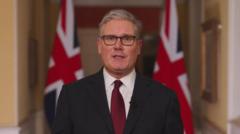
Wales' First Minister, Eluned Morgan, has voiced her concerns regarding community cohesion in the face of this turmoil. With many residents in Wales having personal or familial ties to the Middle East, the potential for rising tensions among different communities has become a pressing issue. Morgan emphasised the role leaders must play in mitigating these tensions, stating that it is essential to ensure protection for all communities in Wales.
As the situation continues to unfold, the economic ramifications are also becoming increasingly evident. Morgan pointed out that disruptions to oil trading from the region could lead to significant economic impacts, not just in Wales, but globally. The Straits of Hormuz, a crucial conduit for oil transport, have seen international shipping nearly come to a standstill, further complicating global energy markets.
With the UK Foreign Office advising against all but essential travel to several Gulf nations, the urgency of the situation is palpable. Flights have been cancelled, and there have been reports of injuries due to missile strikes that have damaged key airports in Dubai and Abu Dhabi. As these developments continue to evolve, understanding the full scope of their implications is essential.
Here’s what we know so far — and what’s still unclear.
Confirmed reports indicate that Ayatollah Khamenei was killed in strikes orchestrated by US and Israeli forces, prompting Iran to launch retaliatory attacks on Israel and its allies, including Bahrain, Kuwait, Qatar, the UAE, and Jordan. Eluned Morgan has articulated the immediate concerns regarding community cohesion in Wales and the potential economic impacts of disrupted oil trading. The UK Foreign Office's travel advisories further confirm the precariousness of the situation in the Gulf region.
However, some details remain unconfirmed. For instance, the extent of the economic fallout from the oil trading disruptions and the long-term implications for community dynamics within Wales are still being assessed. The exact nature of Iran's retaliation and its broader geopolitical consequences are also evolving, leaving many questions unanswered.
Why this matters
The repercussions of the conflict in the Middle East extend well beyond the immediate vicinity. For regions like Wales, where many residents have ties to the affected areas, the potential for community tensions is a significant concern. The economic fallout, particularly through disruptions in oil supply, also poses a real threat to global markets and local economies. Understanding these dynamics is crucial for individuals and businesses alike, as the situation could influence everything from fuel prices to community relations.
Timeline: how we got here
To appreciate the current landscape, a brief timeline of key events is essential:
- October 2023: US-Israeli strikes lead to the death of Ayatollah Khamenei.
- October 2023: Iran retaliates with missile strikes targeting Israel and allied nations.
- October 2023: The UK Foreign Office issues travel advisories against non-essential travel to Bahrain, Kuwait, Qatar, and the UAE.
- October 2023: Various flights are cancelled, and significant damage occurs at airports in Dubai and Abu Dhabi due to missile strikes.
What we know now
As of now, the situation remains fluid. The confirmed death of Khamenei has resulted in intensified military actions from Iran, while community leaders in Wales are actively working to prevent local tensions from escalating. The economic implications of the conflict are already being felt, with rising oil prices and disrupted supply chains. However, details regarding the long-term geopolitical consequences and the full economic impact are yet to be fully understood.
What happens next
Several scenarios could unfold in the coming weeks. Continued military action from Iran could provoke further retaliation from Israel and its allies, escalating the conflict. Alternatively, diplomatic efforts may emerge to de-escalate tensions, although this seems increasingly challenging given the current hostility. The situation in the Straits of Hormuz will be critical to watch, as any attempts to close this vital shipping route could have dire implications for global oil prices and economic stability.
Practical impacts
The consequences of this conflict will likely affect various groups in different ways. For travellers, the UK Foreign Office's advisories suggest avoiding non-essential travel to certain Gulf nations, indicating a heightened risk for those currently in the region. Businesses reliant on oil imports may face increased costs, which could lead to higher prices for consumers. Moreover, community organisations in Wales will need to work proactively to foster cohesion and understanding among diverse groups as tensions rise.
Related reading
Related: [Wales' response to global conflicts]
Related: [Understanding the Middle East's geopolitical landscape]
Related: [Impact of oil supply disruptions on global markets]
Related: [Community cohesion in times of crisis]
FAQs
What triggered the current conflict in the Middle East?
The conflict escalated following the assassination of Iran's Supreme Leader Ayatollah Khamenei by US-Israeli strikes, which prompted Iran to retaliate against Israel and its allies.
How is the conflict affecting oil prices?
Disruptions in the Straits of Hormuz, a critical oil shipping channel, have led to fears of supply shortages, causing a spike in global oil prices as trade routes face uncertainty.
What steps are being taken to maintain community cohesion in Wales?
Wales' First Minister, Eluned Morgan, has called for proactive measures by community leaders to prevent tensions from arising in response to the conflict, emphasising the need for protection and understanding among diverse communities.
As the situation in the Middle East continues to evolve, it’s crucial to stay informed and prepared for its potential impacts, not just locally but globally. The interconnectedness of our world means that events in one region can reverberate across the globe, influencing economic conditions and community dynamics everywhere. #MiddleEast #CommunityCohesion #GlobalImpact